

Registering a car in California can seem daunting, but understanding the DMV VIN verification process is key. This comprehensive guide walks you through every step, from gathering necessary documents to resolving common issues. We break down the process into simple, actionable steps to ensure a smooth experience. Learn how to navigate the system effectively and get your vehicle registered effortlessly.
- Understanding the DMV VIN Verification Process
- Gathering Necessary Documents for Car Registration
- The Step-by-Step Guide to Registering Your Vehicle
- Common Issues and How to Resolve Them
- Important Considerations After Successful Registration
Understanding the DMV VIN Verification Process

When registering a car in California, understanding the DMV VIN (Vehicle Identification Number) verification process is crucial. This involves verifying the vehicle’s history and condition to ensure it meets safety standards and legal requirements. The Department of Motor Vehicles (DMV) conducts this inspection as part of the registration process, checking for issues like outstanding warrants, flood damage, and odometer rollback. It’s a meticulous process designed to protect both consumers and law enforcement.
For added convenience, many individuals opt for mobile VIN verification or mobile VIN inspection services. These services bring the DMV inspection process directly to your location, saving time and effort. The process is straightforward; a qualified inspector will examine the vehicle using advanced tools and databases to confirm its identity and condition. This alternative approach can be particularly beneficial for those who may have difficulty visiting a DMV office, ensuring a smoother and more efficient registration experience.
Gathering Necessary Documents for Car Registration
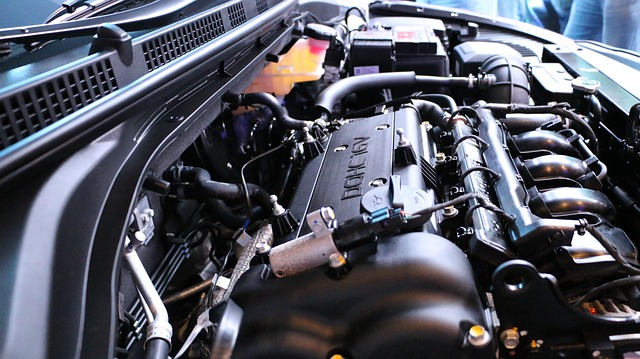
Before heading to the DMV for car registration, ensure you gather all the essential documents. One crucial piece is the Vehicle Identification Number (VIN) verification. This process, often done through a mobile vin inspection or online, checks the vehicle’s history and ensures it’s not stolen or has any outstanding issues. You’ll need your vehicle’s unique VIN, which can be found on the driver’s side door frame or in the car’s insurance documents.
Additionally, prepare your proof of residency, such as a utility bill or bank statement, a valid driver’s license or state ID card, and the vehicle’s registration from the previous state (if applicable). These documents are vital for a smooth registration process at the DMV, making it easier to navigate and avoiding potential delays.
The Step-by-Step Guide to Registering Your Vehicle

Registering a car in California involves several straightforward steps. Start by gathering all necessary documents, including your vehicle’s registration certificate from the previous state, proof of insurance, and a valid driver’s license. Next, visit a local California Department of Motor Vehicles (DMV) office or use their online services to initiate the process. The key step is the DMV vin verification, where they’ll cross-check your vehicle’s unique identifier (VIN) against their records to ensure it’s not stolen or has any outstanding issues.
For a more convenient approach, consider utilizing a mobile vin inspection or mobile vin verifier service. These services offer a quick and easy alternative by performing the VIN verification on behalf of the DMV. After successful verification, you’ll receive your vehicle’s registration certificate, license plate, and other required documents. This process ensures a seamless transition for your newly registered car in California.
Common Issues and How to Resolve Them

When registering your car in California, one common issue many drivers encounter is the DMV’s VIN verification process. This step is crucial to ensure the vehicle’s authenticity and history. However, if you face challenges during this phase, there are solutions available. One option is to utilize a mobile VIN verifier, which can expedite the inspection process by providing real-time results from your smartphone or tablet.
If issues persist, such as discrepancies in the vehicle’s odometer reading or historical data, consider performing a thorough vin inspection. This involves a detailed review of the car’s history, including past ownership, accidents, and maintenance records. Addressing these concerns promptly will help ensure a smoother registration process and provide peace of mind for California drivers.
Important Considerations After Successful Registration

After successfully registering your car with the California DMV, there are several important considerations to keep in mind. One crucial step is to ensure proper vehicle maintenance and documentation. Regularly update your registration and license plates as required by law. Additionally, perform routine checks, such as tire pressure and fluid levels, to maintain safety standards.
Another vital aspect is ensuring accurate and up-to-date information with the DMV, including a valid address and contact details. Moreover, consider having a reliable method for vehicle verification like a mobile vin inspection or using a vin verifier to keep track of your car’s history, which can prove invaluable in case of insurance claims or potential issues. This includes confirming the Vehicle Identification Number (VIN) through the DMV’s verification process.
Registering a car in California involves understanding the DMV’s VIN verification process, gathering required documents, and following a straightforward step-by-step guide. By being prepared with all necessary paperwork and addressing common issues, you can ensure a smooth registration experience. After successful registration, remember to consider important post-registration tasks for continued compliance with California vehicle regulations.