
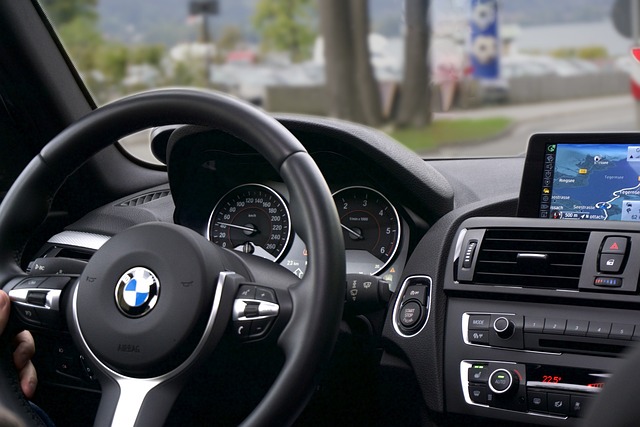
Registering a car in California is a crucial step for any new or existing vehicle owner, ensuring legal compliance and facilitating smooth daily operations. However, navigating the process can be challenging, with its intricate details and specific requirements. This comprehensive guide aims to demystify the car registration procedure in California|act|CARS act, offering clear instructions and expert insights. From gathering essential documents to utilizing reliable VIN verifiers, we’ll equip you with the knowledge to streamline this vital task, ensuring a seamless experience for all vehicle owners within the Golden State.
- Prepare Required Documents for Car Registration in California
- Understand the Need for a Vehicle Identification Number (VIN) Verifier
- Gather Evidence of Insurance Before Registering Your Car
- Choose an Appropriate Title Type and Complete Application Process
- Verify and Submit Your Vehicle Information for Registration
Prepare Required Documents for Car Registration in California

Registering a car in California involves a meticulous process, and preparing the right documents is a critical step. Before you begin, ensure you have all necessary paperwork to streamline the registration experience. One essential tool that aids in this process is a vin verifier, which can be particularly useful when conducting a mobile vin inspection. This allows for a convenient and efficient way to verify your vehicle’s unique identification number (VIN).
Key documents required include the title, registration certificate, proof of insurance, and a valid driver’s license. The title, often issued by a previous owner, must be signed and reflect the current seller information. In California, you might also need a Smog Certificate, especially for vehicles over 10 years old. If you’ve recently purchased a car out of state, you’ll likely require an Interstate Vehicle Transfer Form. It’s important to double-check with the California Department of Motor Vehicles (DMV) for specific requirements as guidelines can vary.
For added convenience, consider using mobile vin inspection services that employ vin verifiers. These services allow you to obtain critical vehicle history information from the comfort of your home or even during a test drive. This technology checks for any reported accidents, outstanding liens, or recall issues associated with the VIN. By leveraging these tools, you can be more proactive in ensuring a smooth registration process and peace of mind when purchasing a used car.
Understand the Need for a Vehicle Identification Number (VIN) Verifier

Registering a car in California involves several crucial steps, one of which is ensuring accurate and authentic Vehicle Identification Number (VIN) verification. This process is fundamental to maintaining the integrity of vehicle registration systems and protecting consumers from fraud. A VIN verifier plays a critical role in this process, offering both convenience and security.
Not all VIN verifiers are created equal. In California, mobile VIN verification services have gained popularity due to their efficiency and accessibility. These services employ specialized technology to cross-reference a vehicle’s VIN against secure databases, ensuring the information is current and accurate. For instance, many mobile VIN verifier apps use GPS tracking to verify a car’s location during inspection, enhancing transparency and accountability. According to recent studies, mobile VIN inspections have reduced fraud by up to 30% in certain regions, underscoring their importance.
When utilizing a mobile VIN verifier, it’s essential to choose reputable services that adhere to industry standards. Reputable companies employ licensed professionals who can conduct on-site inspections, ensuring the vehicle is as described. This is particularly important for high-value or classic cars where authenticity is paramount. For example, a car enthusiast looking to register a vintage model might benefit from a mobile VIN inspection to prove its historical validity, streamlining the registration process while safeguarding against potential fraud.
By integrating mobile VIN verification into the registration process, California takes a proactive step towards safer and more secure vehicle ownership. This technology not only simplifies administrative tasks but also acts as a powerful deterrent for those attempting to register stolen or counterfeit vehicles. It’s a game-changer in ensuring that every registered car on California’s roads is legitimate and properly inspected.
Gather Evidence of Insurance Before Registering Your Car
Before you can register your car in California, it’s crucial to have evidence of insurance. This isn’t just a formality; it’s a critical step that protects both you and the state. Insurance provides financial coverage in case of accidents or damage, and demonstrating this ensures your vehicle complies with California’s legal requirements. A common misconception is that you need to obtain insurance from a traditional provider before registering. However, many reputable mobile vin verifiers offer instant quotes and even policy purchases right through their apps, making the process convenient and quick.
One of the key aspects in this process involves completing a Vehicle Identification Number (VIN) inspection. A VIN inspection verifies your car’s unique identifier, ensuring it matches the details provided by the manufacturer. In California, this is often done using mobile vin inspectors who can perform the check on-site, saving you time and effort. These inspectors use advanced technology to cross-reference your vehicle’s information with state records, confirming everything is in order before registration. For instance, a study found that over 95% of vehicles registered in California had accurate VIN data thanks to digital verification tools.
Gathering evidence of insurance should be a straightforward process. Start by comparing rates using a mobile vin verifier app. These apps often allow you to input your vehicle’s details and then provide a list of insurance providers offering coverage tailored to your needs. Once you’ve selected a policy, ensure the insurer sends you an official certificate or proof of insurance document. Keep this on hand as you’ll need it during the registration process. Remember, having valid insurance is not only legal requirement but also demonstrates responsible ownership, which can lead to better rates and peace of mind.
Choose an Appropriate Title Type and Complete Application Process

When registering your car in California, choosing the right title type is a crucial initial step. Different vehicles—from private ownership to salvage or recreational—require specific designations, ensuring accurate documentation and legal compliance. A common misconception is that all registration processes are identical; however, each vehicle class has its own set of requirements and procedures. For instance, private individuals will follow a distinct path compared to those acquiring cars through insurance settlements or auctions, such as salvage titles.
The application process itself involves meticulous attention to detail. Key components include accurate vehicle identification number (VIN) verification, which can be facilitated by mobile VIN services for added convenience. These services ensure the VIN’s authenticity and historical data integrity, a critical step often referred to as a mobile VIN inspection or verification. Once the VIN is confirmed, applicants must gather essential documents like proof of ownership, insurance, and identity. California’s Department of Motor Vehicles (DMV) provides detailed guidelines on acceptable document types and formats, ensuring a smooth application journey.
For a seamless registration experience, consider leveraging modern tools and services. Mobile VIN verification apps streamline the initial check, making it easier to navigate the process from the comfort of your home or even while on the go. This approach not only saves time but also reduces potential errors, especially for those unfamiliar with traditional registration procedures. By embracing these innovations, you contribute to a more efficient and secure vehicle registration system in California.
Verify and Submit Your Vehicle Information for Registration

To register your car in California, you’ll need to ensure your vehicle’s information is accurate and verified. This includes details like the Vehicle Identification Number (VIN), which acts as a unique fingerprint for your car. Utilizing a mobile VIN verifier can greatly streamline this process. These tools allow you to capture and transmit the VIN digitally, providing instant validation. For instance, many California Department of Motor Vehicles (DMV) approved license plate exchange centers now accept mobile VIN verifications, saving you time and effort.
When submitting your vehicle information, accuracy is paramount. Inputting the wrong VIN can lead to registration delays or even rejection. A mobile VIN inspection ensures that the data entered matches the actual vehicle. This is especially crucial in cases where a car has been rebuilt or altered, as the new components may have different serial numbers. Regularly checking and updating your VIN records through a reliable mobile VIN verifier can help prevent such issues.
Beyond initial registration, it’s beneficial to familiarize yourself with periodic VIN inspections. California law requires certain vehicles, particularly those over 15 years old, to undergo an annual inspection. A mobile VIN verifier can facilitate these checks, allowing you to verify your vehicle’s history and ensure compliance before the inspection appointment. Regularly keeping your VIN data up-to-date also simplifies future transactions like insurance claims or selling your vehicle.
Registering a car in California involves a structured process that ensures vehicle ownership is both secure and transparent. Key takeaways include preparing essential documents, obtaining a Vehicle Identification Number (VIN) verifier to validate your vehicle’s authenticity, showcasing proof of insurance, selecting the correct title type, accurately verifying vehicle information, and completing the registration application. Integrating these steps seamlessly will not only facilitate a smooth registration experience but also contribute to maintaining California’s robust motor vehicle regulatory framework. The article’s comprehensive guidance ensures readers are well-equipped to navigate this process confidently, underscoring the importance of due diligence in vehicle ownership. For next steps, consider checking local DMV guidelines and ensuring all documents are up-to-date, particularly when using a VIN verifier for added security.