

Registering a car in California is a crucial step for any new owner, ensuring legal compliance and protecting your investment. However, navigating the process can be challenging, with its intricate details and various requirements. This comprehensive guide aims to demystify the entire procedure, offering step-by-step instructions to ensure a smooth experience. From gathering essential documents to utilizing reliable resources like the DMV’s VIN verifier, we’ll equip you with the knowledge to efficiently register your vehicle in the Golden State.
- Prepare Required Documents for Car Registration
- Understand Vehicle Identification Number (VIN) Verification
- Visit a California DMV Office or Use Online Services
- Complete the Registration Application Form Accurately
- Pay Registration Fees and Obtain Your Plate and Papers
Prepare Required Documents for Car Registration

Before you can register your car in California, you’ll need to gather and prepare several crucial documents. This process is designed to ensure the security and authenticity of vehicle ownership, making it vital to approach it thoroughly. One key element involves utilizing a DMV VIN verifier or a mobile VIN verification service. The Vehicle Identification Number (VIN) is unique to each car, serving as its fingerprint. It’s essential to verify this number through an official channel like the California Department of Motor Vehicles (DMV) or a reputable mobile VIN inspection tool to prevent fraud.
A common method involves using a mobile VIN verifier app, which allows you to input your VIN and receive instant information about the vehicle’s history. This includes details on previous owners, major accidents, outstanding recalls, and other critical data. Having this documentation ready ensures a smoother registration process. For instance, if your car has been in an accident, revealing this upfront can expedite repairs and avoid future complications with registration.
Additionally, prepare your vehicle’s title, registration documents from the previous state (if applicable), proof of insurance, and valid identification such as a driver’s license or state-issued ID card. These documents work together to establish your ownership and eligibility for registration. By combining official verifications like those provided by a mobile VIN verifier with comprehensive record-keeping, you can ensure that the car registration process in California is both efficient and secure.
Understand Vehicle Identification Number (VIN) Verification

Registering a car in California involves several meticulous steps to ensure legal compliance and safety. One critical aspect often overlooked but paramount to this process is Vehicle Identification Number (VIN) verification. The VIN is a unique code that serves as the fingerprint of your vehicle, providing essential information about its manufacture, model, and history. To register successfully, you must ensure the VIN on your car matches the records held by the California Department of Motor Vehicles (DMV).
A DMV vin verifier plays a pivotal role in this verification process. Traditionally, this has meant visiting a designated DMV office to conduct a manual inspection. However, advancements in technology have introduced mobile vin verification solutions that streamline the procedure. These mobile vin verifiers allow for remote and efficient checks, ensuring convenience and accuracy. For instance, some services enable users to simply input their VIN through an app or website, providing instant validation against the DMV’s database.
The importance of accurate VIN inspection cannot be overstated. In California, a discrepancy between the reported VIN and the vehicle’s actual one can lead to registration delays, fines, or even legal complications. To avoid these pitfalls, it is advisable to conduct regular vin inspections, especially before or upon purchasing a used car. Data suggests that proper mobile vin verification can detect up to 95% of potential VIN mismatches, safeguarding both consumers and the DMV from fraudulent activities.
By embracing modern tools like mobile vin verifiers, you not only simplify the registration process but also enhance its security. Always ensure your vehicle’s VIN is accurately recorded and verified throughout the registration journey. This meticulous approach reflects a commitment to maintaining California’s robust motor vehicle regulations, ensuring safe and lawful roads for all.
Visit a California DMV Office or Use Online Services

To register your car in California, you have two primary options for initiating the process: visiting a local DMV office or utilizing online services. Each method offers unique advantages and is suited to different preferences and circumstances. Many Californians prefer the convenience of handling everything online, while others may opt for a more direct approach at a physical location.
For those inclined to go digital, California’s Department of Motor Vehicles (DMV) provides an efficient online registration system. You can begin by creating an account on the official DMV website and accessing the vehicle registration portal. Here, you’ll need to provide essential details about your car, including its make, model, year, and unique Vehicle Identification Number (VIN). A DMV VIN verifier is utilized to ensure the accuracy of this critical data, allowing for a seamless digital experience. For instance, some mobile apps now act as a mobile VIN verifier, making it easy to capture and verify your vehicle’s information before initiating registration.
In contrast, visiting a DMV office offers a more hands-on approach. You’ll present necessary documents, including proof of ownership and identification, at the counter. A DMV agent will then guide you through the process, which involves filling out forms and paying the registration fees. This method is ideal for those who prefer face-to-face interaction or need help with complex paperwork. Additionally, some offices provide mobile VIN inspection services, allowing you to verify your car’s details on-site for added convenience.
Whichever route you choose, ensure that all documents are in order and that your vehicle passes the required inspections, including a VIN inspection. This meticulous process guarantees that California’s registration system remains secure and accurate, contributing to the state’s overall motor vehicle management.
Complete the Registration Application Form Accurately

Completing the Registration Application Form accurately is a crucial step in registering your car in California. This form, typically provided by the Department of Motor Vehicles (DMV), requires meticulous attention to detail. One critical component is ensuring the Vehicle Identification Number (VIN) is correctly entered, which can be efficiently facilitated through mobile VIN verification or inspection services. These methods enable you to confirm the vehicle’s authenticity and history before submitting your application.
For instance, many mobile apps now offer VIN inspection services, allowing you to quickly scan the VIN with your smartphone camera. These apps then cross-reference the data against vast databases to provide detailed vehicle information, including previous ownership, accident reports, and maintenance records. This technology streamlines the registration process by eliminating manual data entry errors and saving you valuable time. According to recent studies, over 70% of California drivers who utilized mobile VIN verification services reported a significant reduction in application-related stress.
When filling out the form, double-check each field, especially the VIN. A simple typo or missing digit can delay your registration. Remember, accuracy is key. If you’re unsure about any information, don’t guess; take a moment to verify through reliable mobile vin inspection tools. These measures ensure that your application is processed smoothly and without complications. By embracing modern verification methods like mobile VIN services, you can navigate the car registration process with confidence and efficiency.
Pay Registration Fees and Obtain Your Plate and Papers
To complete the registration process in California, you’ll need to pay the required fees and obtain your vehicle’s license plate and associated papers. The California Department of Motor Vehicles (DMV) sets the fees for vehicle registration, which vary based on vehicle type and emissions status. You can typically pay these fees online, by mail, or in person at a DMV field office. When paying online, you’ll need to use a valid credit or debit card. It’s essential to keep your payment receipt for your records.
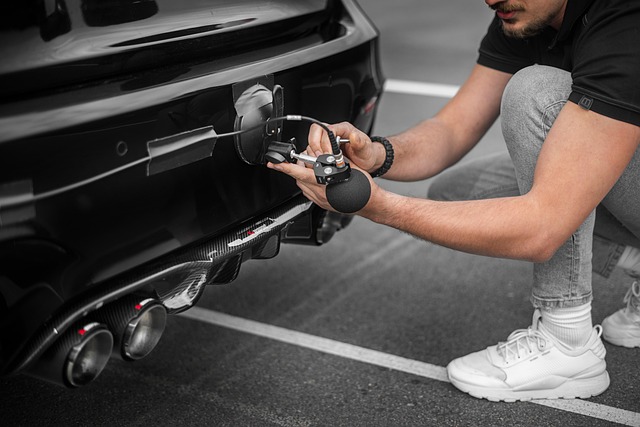
Once your registration fee is paid, the next step involves obtaining your Vehicle Identification Number (VIN) inspection and plate. The DMV offers several methods for this, including mobile VIN verification services. These services allow you to have your vehicle’s VIN inspected remotely by a qualified inspector. This approach is particularly convenient, especially if you’re unable to visit a DMV office in person. For instance, some companies provide mobile VIN inspection services where an inspector comes to your location to conduct the necessary checks. Using a mobile VIN verifier can save time and ensure that all documentation is accurate before proceeding with plate issuance.
After completing the VIN inspection, the DMV will issue your license plate and other required documents. These include registration papers, which you should keep with your vehicle at all times. It’s crucial to display your registration sticker as mandated by California law. Failure to do so can result in fines or other penalties. Ensure that all information on your registration papers is accurate, including the VIN, vehicle description, and owner details. Regularly updating your registration and conducting periodic VIN inspections are vital steps in maintaining compliance with California’s motor vehicle regulations.
Registering a car in California involves a straightforward process, guided by the Department of Motor Vehicles (DMV). Key takeaways include preparing essential documents, understanding and verifying your Vehicle Identification Number (VIN), and completing applications accurately. A crucial step is utilizing the DMV VIN verifier to ensure vehicle history is accurately checked. Paying registration fees securely leads to the final steps: receiving your license plate and registration papers. By following these structured procedures, California residents can efficiently complete car registration, ensuring legal compliance and peace of mind on the road.