

Looking to register your car in California? This guide breaks down the process step-by-step. First, understand state requirements for vehicle registration. Then, gather essential documents for a crucial VIN (Vehicle Identification Number) verification. Next, perform a VIN check to ensure authenticity. Choose the right registration type and submit your application along with fees to the DMV. Ensure everything is in order for a smooth car registration experience in California. Remember, accurate VIN verification is key!
- Understand California Car Registration Requirements
- Gather Necessary Documents for VIN Verification
- Perform Vehicle Identification Number (VIN) Check
- Choose an Appropriate Registration Type
- Submit Application and Pay Fees to DMV
Understand California Car Registration Requirements

Before registering your car in California, it’s crucial to understand the state’s specific requirements for vehicle registration. One key aspect is ensuring accurate and up-to-date information, which includes a thorough VIN (Vehicle Identification Number) verification process. California uses this unique 17-character code to identify each vehicle, ensuring that all details match the car’s history and ownership status.
A valid VIN inspection plays a vital role in this process, as it helps prevent fraud and ensures the security of personal information. Several options are available for VIN verification, including traditional stationary inspectors and convenient mobile vin inspection services. These mobile verifiers can come to your location, making the process even more accessible, especially for residents who prefer a faster and more efficient approach to registering their vehicles.
Gather Necessary Documents for VIN Verification

Before registering your car in California, you’ll need to gather essential documents for VIN (Vehicle Identification Number) verification. This process is crucial to ensure the vehicle’s history and authenticity. The first step is to obtain the necessary forms from the Department of Motor Vehicles (DMV). You can either download them online or pick them up at a local DMV office. Among these, the Vehicle Application form and the Certificate of Ownership are key documents that must be completed accurately.
Additionally, for a seamless mobile vin verification process, have your vehicle’s VIN readily available. Many reputable mobile vin inspection services can assist with this step by providing on-site or remote checks, ensuring convenience. These services use advanced technology to verify the VIN and other critical details, making it easier for you to navigate the registration process.
Perform Vehicle Identification Number (VIN) Check
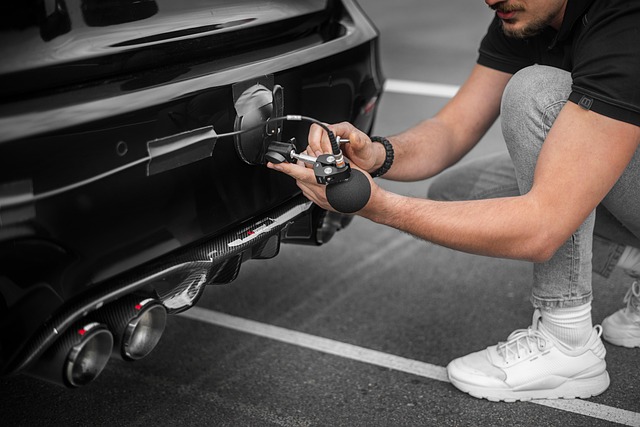
Before you can register your car in California, it’s crucial to perform a Vehicle Identification Number (VIN) check. This step is essential for ensuring that the vehicle you’re planning to register is legitimate and has not been reported stolen or had its identity altered. A mobile vin verifier or a professional vin inspection service can assist in this process by confirming the VIN’s accuracy and matching it with the vehicle’s make, model, and year.
During the VIN verification process, you’ll need to cross-reference the information provided by the car’s manufacturer with what’s displayed on the vehicle’s registration documents. This double-check helps prevent fraud and ensures that you’re legally allowed to register and operate the vehicle in California. A reliable mobile vin verification service can make this task convenient, allowing you to complete your VIN inspection promptly and accurately.
Choose an Appropriate Registration Type

When registering your car in California, understanding the different registration types is crucial. The choice depends on factors such as the age and condition of your vehicle. For example, if your car is new or recently imported, a standard registration may be sufficient. However, for older vehicles, you might need to consider specialized options that cater to their unique needs.
One important aspect to keep in mind is vin verification. This process involves checking the vehicle’s unique identifier (VIN) to ensure its authenticity and history. Some services even offer mobile vin inspection or vin verifier options, making it convenient for you to get this crucial step done quickly without needing to visit a DMV office.
Submit Application and Pay Fees to DMV

Once you’ve gathered all necessary documents and passed the vehicle inspection, it’s time to submit your application and pay the required fees at the DMV (Department of Motor Vehicles). This step is crucial in the car registration process as it formalizes your ownership and ensures your vehicle complies with California’s regulations. You’ll need to complete the application form, providing detailed information about yourself and your vehicle. Don’t forget to include the unique identifier known as the Vehicle Identification Number (VIN), which can be quickly verified through a mobile vin verification or vin inspection service for convenience and accuracy.
Along with your application, you’ll need to pay several fees, including a registration fee and possibly other taxes or surcharges, depending on your vehicle’s type and age. The DMV will process your application and issue a registration certificate once they’ve confirmed all details and fees are in order. Ensure that you have a valid address on file with the DMV for future communications regarding your vehicle registration.
Registering a car in California is a straightforward process, but understanding the requirements and gathering the necessary documents is crucial. From ensuring valid VIN verification to selecting the right registration type, each step plays a vital role. By following these steps outlined in the article—including performing a VIN check and submitting your application with fees to the DMV—you’ll be on your way to becoming a legal California vehicle owner in no time.