

Registering a car in California is not merely a bureaucratic task; it’s a critical step ensuring your vehicle’s legal status and your personal safety on the roads. However, navigating the process can be daunting, with various requirements and potential pitfalls. This article serves as your comprehensive guide, providing expert insights into every step of the registration process. We’ll demystify forms, clarify regulations, and even emphasize the importance of using a reliable VIN verifier to ensure accuracy and authenticity, ensuring you make informed decisions throughout.
- Prepare Your Documents for Car Registration
- Understand California's Vehicle Registration Process
- Verify Vehicle Identification Number (VIN) with a Scanner
- Choose a California DMV Location for Registration
- Complete the Car Registration Application and Submit
Prepare Your Documents for Car Registration

Before you begin the car registration process in California, ensure your documents are in order for a smooth experience. This involves gathering all necessary paperwork, including vehicle ownership proof, identification, and inspection records. One critical component often overlooked is verifying your Vehicle Identification Number (VIN). A simple yet crucial step, using a reliable VIN verifier like mobile VIN inspection services, can save you time and potential headaches later.
In California, a valid VIN inspection is essential to demonstrate the vehicle’s authenticity and history. This includes confirming its make, model, year, and identifying any previous owners. Mobile VIN verification services offer convenience by allowing inspections at your location, whether at home or a local business. These services utilize advanced technology to cross-reference your VIN with databases, providing instant access to detailed vehicle information, including any reported accidents or outstanding loans.
When preparing for car registration, consider the following: collect your vehicle’s registration papers from previous owners if applicable, ensure your driver’s license is valid, and have a recent insurance card handy. Additionally, some California counties may require specific forms or additional documents, so it’s wise to check with your local Department of Motor Vehicles (DMV) office for any region-specific requirements. By preparing these documents in advance, you’ll streamline the registration process, ensuring your car is legally registered and ready for California’s roads.
Understand California's Vehicle Registration Process

Registering a car in California involves a straightforward process, but understanding the steps is crucial to ensure everything is done correctly. The first step is to gather all necessary documents, including proof of ownership, vehicle identification number (VIN) verification, and valid driver’s licenses for all registered drivers. In California, the VIN is a critical piece of information used by the Department of Motor Vehicles (DMV) to identify your vehicle, and it can be verified using a mobile VIN verifier, ensuring accuracy and security.
Once you have your documents ready, you’ll need to visit a DMV field office or use their online services to register your car. If choosing the latter, you’ll require a valid driver’s license, proof of insurance, and payment for registration fees. The process is designed to be user-friendly, but it’s essential to double-check all information for any errors as mistakes can delay registration. A mobile VIN inspection or verification using a trusted application can help streamline this step by providing instant data validation.
After completing the online form, you’ll receive a confirmation and a set of instructions on how to proceed with title transfer (if applicable) and plate assignment. If registering a new vehicle, you may also need to pass a smog test depending on your region and vehicle type. The DMV offers both mobile smog testing services and stationary testing locations for convenience. Once all requirements are met, your vehicle will be registered, and you’ll receive official documentation confirming its status.
Verify Vehicle Identification Number (VIN) with a Scanner
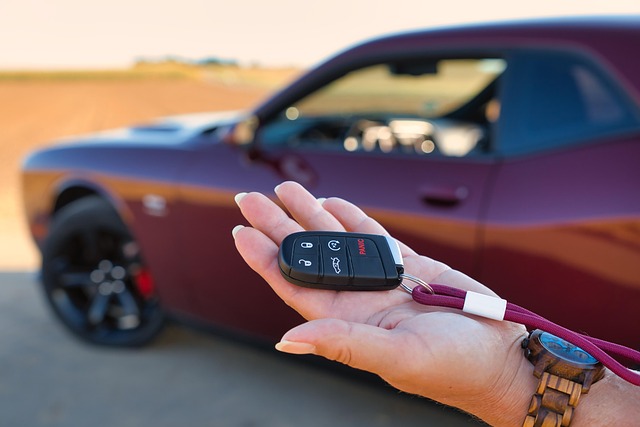
Verifying the Vehicle Identification Number (VIN) is a crucial step in the car registration process in California. This essential check ensures that your vehicle’s history is accurately documented, helping to prevent fraud and ensuring compliance with state regulations. A VIN verifier, whether it’s a stationary or mobile vin verification tool, plays a critical role here. Mobile VIN inspection services have gained popularity due to their convenience; you can conduct this check from the comfort of your home or even while at a car dealership.
A simple yet effective method involves using an app-based VIN scanner. These tools cross-reference the provided VIN with vast databases, offering detailed vehicle information. This process typically takes just a few minutes and provides peace of mind. For instance, some services can reveal a vehicle’s past owners, service records, accident history, and even recall notices, all of which are vital for a complete picture of a car’s condition. The California Department of Motor Vehicles (DMV) recommends this digital approach to streamline the registration process, making it efficient and accurate.
When using a mobile vin verification tool, ensure it’s from a reputable source. The accuracy of data is paramount; you want reliable information that matches with official records. Many professional services employ advanced algorithms and secure databases for accurate VIN inspections 1-2 times per vehicle to maintain the integrity of the process. This modern approach has made car registration more accessible and efficient, benefiting both consumers and automotive professionals in California.
Choose a California DMV Location for Registration

Choosing the right California DMV location for car registration can streamline the process and save you time. The first step is to identify the appropriate field office based on your vehicle’s current status. If you’re registering a new car, head to a California DMV branch that offers both vehicle registration and title services. These locations are equipped to handle the paperwork required for new vehicles. For example, if you’ve recently purchased a car from an out-of-state dealer, look for a DMV with specialized services for out-of-state transactions.
For existing registered vehicles requiring only a registration renewal, consider using one of the many California DMV drive-through locations. These offer a convenient and efficient way to renew your registration without the need for an appointment. Mobile VIN verification plays a crucial role here; some drive-throughs utilize mobile VIN inspection apps to expedite the process. This technology allows staff to quickly verify your vehicle’s information, ensuring a swift and accurate renewal. Alternatively, if you have specific needs or complex situations, such as converting a non-roadworthy vehicle to road legal, opt for a DMV field office known for handling specialized cases.
Another strategic approach is to leverage the California DMV’s online services before visiting a physical location. You can prepare your documents, including your VIN (Vehicle Identification Number), through their official website. A mobile VIN verifier app can be particularly useful here, allowing you to capture and transmit your VIN accurately. This initial step not only saves time but also ensures that all required information is accurate and readily available when you arrive at the DMV. By strategically choosing your registration location and utilizing modern tools like mobile VIN inspection, you can make the car registration process a seamless experience.
Complete the Car Registration Application and Submit

To complete the registration process, you’ll need to fill out the Car Registration Application, a crucial document that requires meticulous attention to detail. This form is your official declaration that all necessary components of the vehicle are in order and compliant with California’s regulations. Ensure every section is accurately completed, starting with your personal information, including your full name, address, and contact details. The next critical step involves providing the Vehicle Identification Number (VIN) and verifying its authenticity using a reliable VIN verifier, such as a mobile VIN verification service or an in-person inspection at a designated DMV location. Accurate VIN data is vital for tracking vehicle history and ensuring it hasn’t been reported stolen or has outstanding issues.
After confirming the VIN’s legitimacy, proceed to input the make, model, year, and other identifying details of your car. This information is cross-referenced with state records to ensure compatibility and compliance. It’s during this stage that you might be prompted to provide proof of insurance, a valid driver’s license, and possibly other supporting documents. These verifications are essential to demonstrate your eligibility to register the vehicle.
Once all required fields are filled out and necessary verifications are in place, submit the application. You can typically do this at a local California DMV office or, for added convenience, utilize online registration platforms that accept digital submissions. When submitting remotely, ensure you have all the required documents as backups. After processing, you’ll receive your registered vehicle’s license plate and official registration papers, marking the successful conclusion of your car registration journey.
By meticulously preparing your documents and understanding California’s vehicle registration process, you can ensure a smooth and efficient experience. Verifying the Vehicle Identification Number (VIN) using a scanner is a crucial step, as it ensures accuracy and security. Choose a convenient California DMV location, complete the registration application, and submit all required documents. This structured approach leverages the VIN verifier to guarantee that your car’s registration is both authentic and up-to-date, aligning with the state’s rigorous standards.