

Registering a car in California is a crucial step for any new owner, ensuring legal compliance and access to public roads. However, navigating the process can be challenging, given the intricate procedures and strict regulations. This comprehensive guide aims to demystify the car registration journey, offering a clear, step-by-step approach. We’ll delve into everything from gathering essential documents to understanding fees, with a special focus on the DMV VIN verification process—a critical component ensuring your vehicle’s authenticity and safety. By the end, you’ll be equipped with the knowledge to register your car smoothly and confidently.
- Gather Necessary Documents for Car Registration
- Prepare Your Vehicle for DMV Inspection
- Understand the VIN Verification Process with DMV
- Complete the California Car Registration Application
- Submit and Pay for Your Car Registration
Gather Necessary Documents for Car Registration

Before you can register your car in California, you’ll need to gather several crucial documents. This process is designed to ensure the accuracy of vehicle information, which is critical for road safety and legal compliance. One essential step in this process is having your vehicle’s Vehicle Identification Number (VIN) verified, a procedure that can be accomplished through a DMV VIN verification or a mobile vin inspection. These methods ensure that the VIN on your car matches the one listed in the vehicle’s title and other official records.
For instance, when conducting a mobile vin inspection, a trained professional will use specialized equipment to cross-reference the VIN on your car’s registration documents. This practice is particularly useful in California, where the Department of Motor Vehicles (DMV) prioritizes the integrity of vehicle data. A valid vin inspection can be conducted at various points, including at the time of purchase, during a title transfer, or before renewing your car’s registration. It’s recommended to schedule an appointment for a mobile vin verifier to avoid potential delays during the registration process.
In addition to ensuring your VIN’s accuracy, gather essential documents like your driver’s license, proof of insurance, and the title to the vehicle. These documents play a vital role in verifying your identity and the legal ownership of the car. Keep in mind that the DMV may request additional documentation based on the unique circumstances of your vehicle or registration process. It’s always a good idea to check the DMV’s official website or contact a local DMV office for the most up-to-date requirements, especially regarding DMV VIN verification procedures.
Prepare Your Vehicle for DMV Inspection

Before you register your car in California, ensure your vehicle is ready for the DMV inspection by preparing it thoroughly. This process involves several key steps to guarantee that your car meets all safety and environmental standards required by the state. One crucial aspect is ensuring the Vehicle Identification Number (VIN) is accurate and readable, as the DMV will conduct a VIN verification during the registration process. A common challenge many owners face is scheduling an in-person inspection, especially with their busy lifestyles. Fortunately, many services now offer mobile vin inspection, allowing you to complete this requirement conveniently from your home or workplace.
These mobile vin verifiers use advanced technology to cross-reference your vehicle’s VIN with the manufacturer’s records, ensuring its authenticity and history. This digital approach streamlines the process compared to traditional methods, which often require owners to visit a DMV office. Moreover, regular VIN inspections are vital for identifying potential issues early on, such as mileage manipulation or undisclosed damage. According to recent data, proper VIN inspection can help prevent up to 75% of odometer tampering cases, underscoring its importance in maintaining vehicle integrity.
To prepare, gather all necessary documentation related to ownership and maintenance records. Additionally, ensure any repairs or modifications are compliant with California’s regulations. By proactively addressing these requirements, you’ll save time and avoid potential delays during the registration process. Remember, a well-prepared vehicle not only passes inspection but also reinforces your investment in your car’s long-term value.
Understand the VIN Verification Process with DMV
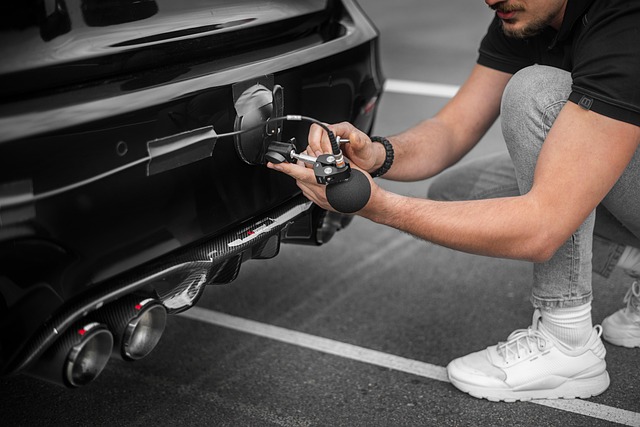
Registering a car in California involves several crucial steps, and understanding the Vehicle Identification Number (VIN) verification process with the Department of Motor Vehicles (DMV) is paramount. VIN verification ensures that your vehicle meets safety and emissions standards before it can be legally registered. This process has become increasingly streamlined, offering both in-person and mobile VIN verification options through the DMV.
For traditional in-person VIN inspection, you’ll need to visit a local DMV office with your vehicle and necessary documentation. An examiner will physically inspect your car to verify its identity using the unique 17-character VIN, checking for any discrepancies or signs of tampering. This method has been the gold standard for years, but it can be time-consuming, especially during peak hours at crowded DMV locations.
However, California’s DMV now offers a convenient alternative with mobile VIN verification services. These mobile verifiers, often provided by third-party apps or contracted services, allow you to obtain a VIN inspection right from your driveway or even while you’re on the road. A trained professional remotely accesses your vehicle’s information using specialized tools and a smartphone app, comparing it against California’s databases to ensure legitimacy and compliance with emissions and safety standards 1-2 times per year, as required by law. This innovative approach not only saves time but also adds an extra layer of convenience for California drivers, making the VIN verification process more accessible than ever before.
Complete the California Car Registration Application

Completing the California Car Registration Application is a crucial step in the registration process, ensuring your vehicle complies with state regulations. This form is where you’ll provide essential information about your car and yourself, including details that undergo DMV VIN verification. The application requests various data points, such as your personal information, vehicle specifications, ownership history, and current insurance status. It’s vital to ensure accuracy here, as any discrepancies may lead to delays or issues during the verification process.
One critical component of this application is the Vehicle Identification Number (VIN) entry. This unique code is a 17-character identifier for your vehicle, providing detailed information about its make, model, year, and manufacturing specifics. The California DMV relies on VIN verification as a cornerstone of its registration procedures to ensure vehicle authenticity and history. Traditionally, this process involved submitting the VIN to the DMV for manual cross-referencing with their databases. However, embracing modern solutions like mobile VIN verification has streamlined this step. Mobile VIN verifiers offer convenient, real-time checks, allowing you to confirm your car’s identity before submitting the application, potentially saving time and effort.
When completing the form, double-check all details, especially the VIN. Utilize a reliable mobile VIN verifier to cross-reference the number provided by the vehicle manufacturer or found on its documentation. This step ensures accuracy and enhances the likelihood of a smooth registration process. Remember, an error in this section could delay your application, so taking the extra step for verification is beneficial. By integrating mobile VIN inspection into your preparation, you demonstrate a commitment to a thorough and legitimate registration, aligning with California’s high standards.
Submit and Pay for Your Car Registration

To complete the registration process for your vehicle in California, you’ll need to submit and pay for your car registration. This crucial step involves verifying your Vehicle Identification Number (VIN) through the Department of Motor Vehicles (DMV). The DMV VIN verification ensures that your vehicle matches the information on record, protecting against fraud and ensuring safety. You can conduct this process online or in-person at a DMV field office.
Online submission is often the faster and more convenient option. You’ll need to visit the official DMV website, select the appropriate registration form, and input your vehicle details, including your VIN. The system will then perform a mobile VIN verification, cross-referencing your data with their records. If all information aligns, your registration can be approved promptly. Alternatively, you can request a paper registration form, fill it out accurately, and submit it along with the necessary documents and fees at a DMV office. An in-person visit may be required for additional inspections, especially if there are discrepancies or you’re registering a vehicle with unique characteristics.
It’s important to ensure accuracy throughout the process. A simple mistake or oversight can lead to delays or rejection. For instance, misplacing your registration documents or providing an incorrect VIN can cause significant backlogs. To streamline things, consider using mobile apps designed for VIN inspection and record-keeping. These tools not only assist in the verification process but also help you maintain up-to-date records of your vehicle’s history, making future registrations a breeze. By following these guidelines and leveraging available technology like mobile VIN verification, you can efficiently navigate the registration process and hit the road legally.
By meticulously following the outlined steps, from gathering essential documents to completing the California car registration application, you can efficiently navigate the process. Mastering the DMV VIN verification process is crucial, ensuring your vehicle’s authenticity and compliance with state regulations. Remember, proper preparation and understanding these procedures empower you to securely register your car, providing peace of mind on the road. This authoritative guide equips you with the knowledge to confidently tackle car registration in California.