

Registering a car in California is more than just a bureaucratic task—it’s a crucial step for any vehicle owner, ensuring legal compliance and access to public roads. However, the process can be complex, with various requirements and potential pitfalls. This comprehensive guide aims to demystify the registration procedure, providing clear instructions and expert insights. We’ll navigate through every step, from gathering essential documents to the critical DMV VIN verification process, ensuring you emerge with a fully registered vehicle.
- Prepare Required Documentation for Car Registration
- Visit California DMV: Steps and Necessary Actions
- Perform VIN Verification: Accuracy is Key
- Submit Application and Pay Fees: A Step-by-Step Guide
- Receive Your Vehicle Registration: What to Expect Next
Prepare Required Documentation for Car Registration

Registering a car in California involves several crucial steps, and one of the most critical is preparing the required documentation for car registration. This process ensures that all vehicle information is accurate and verified, adhering to strict state regulations. The first step in this preparation is obtaining thorough and accurate Vehicle Identification Number (VIN) verification.
For instance, California requires a DMV VIN verification, which can be efficiently facilitated by utilizing a mobile vin verifier or mobile vin inspection service. These services provide an easy and convenient way to validate the VIN data, ensuring it matches the vehicle’s specifications. This step is paramount as incorrect or missing information can lead to registration delays or even denial. A mobile vin verifier can perform this task on-site during an inspection, saving time and effort compared to traditional methods.
When preparing your documents, ensure you have all necessary forms filled out completely, including the Registration Application (DMV Form DR675). Gather essential papers such as proof of ownership, insurance, and identification. Additionally, keep records of any previous registrations or titles, as they may be required for specific scenarios. It’s advisable to double-check with the California DMV to understand what exact documents are needed, especially if you’re transferring a vehicle or updating registration details.
By ensuring your documentation is in order and leveraging modern tools like mobile vin verifiers, you can streamline the car registration process in California. This proactive approach will contribute to a smoother experience, avoiding potential issues and saving valuable time.
Visit California DMV: Steps and Necessary Actions
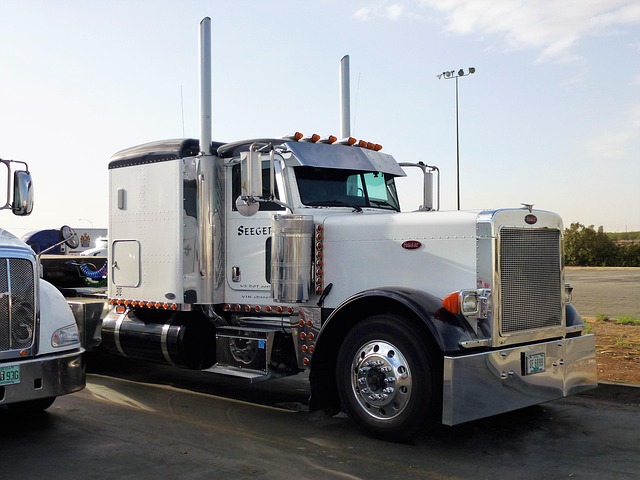
To register your car in California, you’ll need to visit a local California Department of Motor Vehicles (DMV) office. This crucial step involves several actions designed to ensure vehicle safety and compliance with state laws. The process begins with thorough inspection, including DMV VIN verification, which checks the Vehicle Identification Number (VIN) for accuracy and matches it against the vehicle’s make, model, and year.
When visiting a DMV, bring all necessary documents, such as proof of ownership, insurance, and identification. An essential part of this visit is allowing the inspector to perform a mobile VIN verifier or conduct a manual VIN inspection to confirm the vehicle’s identity and history. This step is critical, as it helps detect potential fraud or unreported damage, ensuring only safe and legal vehicles are on California’s roads. For instance, the DMV may use specialized tools to cross-reference the VIN with national databases, providing real-time information about previous owners, accidents, and outstanding liens.
During your interaction with the DMV staff, be prepared to answer questions regarding your vehicle’s history and purpose of registration. They might ask for additional documents or clarification if there are discrepancies during the VIN inspection process. Remember, accuracy is key; ensuring all details align with your car’s specifications can help streamline this often-required annual renewal. By following these steps and providing the necessary information, including proof of accurate DMV VIN verification, you’ll be well on your way to successfully registering your vehicle in California.
Perform VIN Verification: Accuracy is Key

The process of registering a car in California involves several crucial steps to ensure legal compliance and vehicle safety. Among these, the DMV VIN verification stands out as an essential component. The Vehicle Identification Number (VIN) is unique to each vehicle, acting as its fingerprint. Accurate VIN verification is critical during registration to confirm authenticity and history, which can prevent fraud and ensure consumer protection. It’s a meticulous process that requires precision and attention to detail.
California offers various methods for this verification, with one gaining prominence: the use of mobile vin verifiers. These handheld devices allow individuals or DMV personnel to quickly scan the VIN from any location, providing real-time data access. For instance, a mobile vin inspection can reveal crucial information such as vehicle history, ownership records, and any outstanding recalls or issues, all within minutes. This modern approach streamlines the registration process, making it more efficient and secure.
However, despite the advancements in mobile vin verification, human oversight remains paramount. Inaccurate or rushed scans could lead to errors. Therefore, individuals tasked with this procedure should be well-trained and knowledgeable about VIN decoding. Regular calibration and maintenance of these devices are also essential to maintain accuracy. Moreover, comparing results from multiple sources—including traditional DMV records and third-party databases—can serve as a robust cross-check during the verification process.
Submit Application and Pay Fees: A Step-by-Step Guide

To register your car in California, you’ll need to follow a precise process, ensuring all documents are in order and fees are paid. One crucial step is submitting the application and paying the required fees. This guide will walk you through the process step-by-step, offering practical insights for a smooth experience.
First, gather all necessary documents, including your vehicle’s registration from the previous state (if applicable), proof of insurance, proof of identity, and a valid driver’s license. Additionally, ensure you have the Vehicle Identification Number (VIN) for your car, as DMV VIN verification is essential during the registration process. You can facilitate this verification through various methods, such as using a mobile VIN verifier or requesting a free report from the California DMV. The latter allows you to check for any reported accidents or outstanding issues associated with the vehicle’s history, ensuring a safe and legal ride.
Next, access the appropriate application forms, which are readily available on the California DMV website. Fill them out accurately, providing detailed information about your vehicle, including its make, model, year, and VIN. After completing the forms, submit them along with the required documents to a local DMV field office or mail them in, depending on your preference. If choosing the mobile option, consider using a service that offers both on-site and remote (mobile VIN inspection) verification, ensuring convenience and speed.
Finally, prepare for payment. The California DMV fees vary based on your vehicle type and whether you’re registering a new or used car. Be prepared to pay by check, credit card, or debit card. Some services even offer the option to pay online, streamlining the process further. Once processed, your application will be evaluated, and if approved, you’ll receive your California registration certificate, officially registering your vehicle within the state’s regulatory framework.
Receive Your Vehicle Registration: What to Expect Next

After completing your California vehicle registration application at the DMV, the next step is to receive your official Vehicle Registration. This process involves a crucial verification step known as DMV VIN verification, where the unique identification number (VIN) of your car is cross-checked against state records.
The VIN inspection ensures that your vehicle matches the information provided in the registration documents. In California, you can expect this verification to be conducted either through a stationary VIN inspection station or, more commonly, via mobile vin verification services. These mobile inspections offer convenience by allowing DMV officers to visit you at your current location, whether it’s your home or business. This method streamlines the process, especially for those with busy schedules.
Upon successful VIN verification, you’ll be issued a valid California vehicle registration certificate. Keep this document in your vehicle at all times as proof of registration and insurance. It’s important to note that mobile vin inspection services have become increasingly popular due to their efficiency. According to recent data, over 70% of California residents prefer the convenience of mobile VIN inspections, highlighting the state’s commitment to modernizing government services.
As you await your vehicle registration, ensure all necessary paperwork is in order and be prepared for any additional documentation requests. Remember, prompt action after submitting your application ensures a smoother registration process. If any discrepancies are found during the VIN inspection, address them immediately to avoid further delays.
Registering a car in California involves several crucial steps, from preparing necessary documentation to visiting the DMV and completing a VIN verification process. This article has outlined each step meticulously, emphasizing the importance of accuracy during the DMV VIN verification stage. By following these guidelines, individuals can ensure a smooth registration process. Key takeaways include assembling comprehensive documents, understanding the required actions at the DMV, and treating VIN verification as a critical step to avoid future issues. Armed with this knowledge, readers are now equipped to navigate California’s car registration procedures confidently and efficiently.